Freeze, upgrade, or withdraw? What to do after DU seat allotment 2026
My WhatsApp blew up the morning DU released last year’s first allotment round. Not because everyone was celebrating. Half the messages were some version of “I got Hindu College but a worse course, what do I press.” Nobody panics about getting a seat. They panic about the three buttons that show up right after.
So before you touch your CSAS dashboard, read this. It will take less time than you’d spend re-reading the same DU notification five times trying to find the part that actually explains the decision.
What freeze, upgrade, and withdraw actually mean
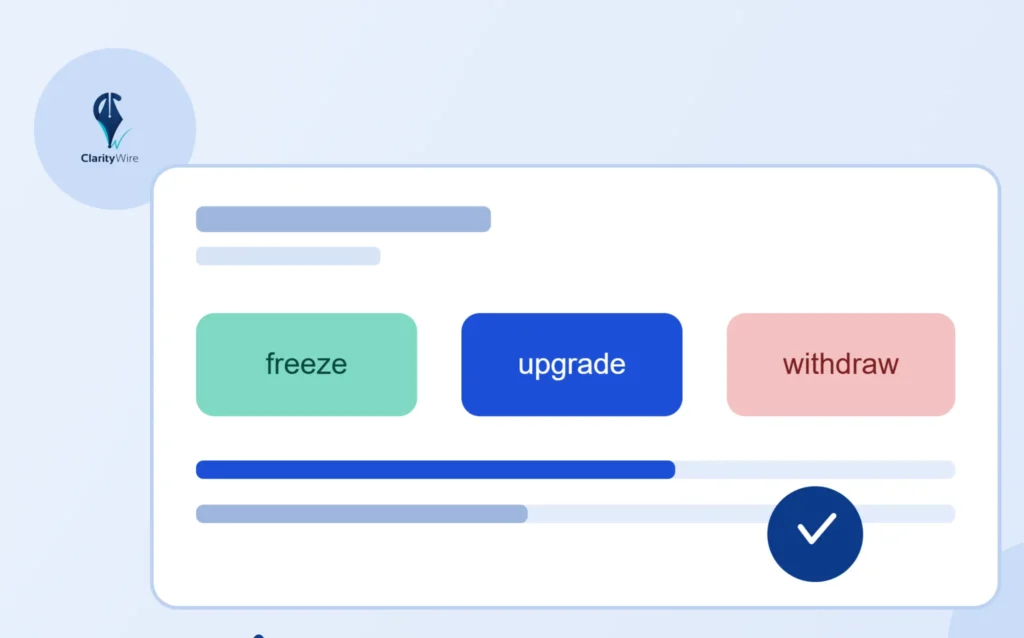
DU’s seat allocation runs across multiple rounds, and after every round you get three choices. Here’s what each one does, without the portal’s legal phrasing.
Freeze
Freeze means you’re done. You accept the seat exactly as it stands, the system locks it, and you stop being considered in any later round, even if a higher preference of yours opens up. Choose this only when the seat you’ve been allotted is genuinely the one you want, not just the one you’re afraid of losing.
Upgrade
Upgrade keeps your current seat as a safety net while you stay in the running for something higher on your preference list. If a better combination comes through in the next round, your current seat is automatically cancelled and replaced with the new one. If nothing better comes through, you keep what you already have. This is the option most counsellors call the safer default, because you genuinely cannot end up worse off than where you started.
There is one catch people miss: if you do get upgraded, you have to actively accept that new seat. Ignore it and the system can drop you out of CSAS entirely, which is the opposite of what upgrading was supposed to protect you from.
Withdraw
Withdraw means you’re pulling out of the seat you’ve been allotted, and depending on the round, possibly out of CSAS for the rest of the admission cycle. DU charges a non-refundable withdrawal fee, currently around ₹1,000, and your earlier seat acceptance fee does not come back in full either. Once you withdraw after accepting a seat, you cannot simply change your mind the next morning. Re-entry is limited and not guaranteed.
Why doing nothing is the worst option of all three
There’s no fourth button labelled “decide later,” and that’s intentional. If you don’t act within the deadline shown on your dashboard, DU treats your seat as cancelled by default in most rounds, or auto-freezes it in others, depending on the year’s rule set. Either outcome is decided for you, not by you. Set a phone reminder for the exact acceptance deadline the moment a round is announced. Every counselling cycle, someone loses a perfectly good seat purely because they assumed there’d be more time.
How to actually decide: freeze vs upgrade
This is the question that brings most people to this page, so here it is directly.
Freeze if: the college and the course are both ones you’d be content with for the next three years, even if a marginally better-ranked college shows up later. Freeze if you’re not confident your CUET score and category will improve your odds significantly in the next round. Freeze if you simply want the process over and don’t want to risk the seat you already have.
Upgrade if: the course is right but the college isn’t your first choice, or vice versa, and your preference list has genuine room to move up. Upgrade if your simulated rank or the preference-count data on the CSAS dashboard suggests a real chance at something higher, not just a hope. Upgrade if losing your current seat costs you nothing, since it stays reserved for you unless something better comes along.
One thing I’d tell my own first-year self: don’t upgrade out of pure ambition if the seat you have is already a good fit. Students sometimes chase a “better” college on paper and end up in a course they like less, just because the upgrade went through and they felt obligated to accept it.
When withdrawal actually makes sense
Withdrawal isn’t really a counselling strategy, it’s an exit. People usually choose it for one of three reasons: they’ve secured admission somewhere else they prefer, they’ve decided DU isn’t the right fit after all, or their category or eligibility status changed in a way that makes their current allotment invalid.
If none of those apply to you, withdrawal is rarely the right call mid-process. The fee alone makes it an expensive way to “start over,” and you may not get to re-enter regular rounds afterward.
What happens after you choose
Once you accept a seat, whether by freezing or by riding out an upgrade, the next step is document verification at the allotted college. The college checks your category certificate, your subject mapping, and your CUET application details against what you’ve uploaded. If something doesn’t match, they’ll tell you the reason for rejection rather than silently denying it, so check your dashboard regularly during this window rather than waiting for an email that might land in spam.
After verification, you pay the admission fee within the stated deadline. Miss that, and the seat goes back into the pool regardless of how the freeze or upgrade decision went.
Spot admission: the one round where none of this applies
If you don’t get into any seat across the regular rounds, DU runs spot admission rounds afterward to fill whatever’s still vacant. The rules change here. There’s no upgrade option and no withdrawal option in spot rounds. Whatever seat you’re allotted is final, and you’re expected to take it. If you skip it, your eligibility for that admission cycle is over. Keep this in mind if you’re tempted to hold out for a better seat through the regular rounds rather than securing something solid early.
A short, honest checklist before you click anything
Before you choose freeze, upgrade, or withdraw on your CSAS dashboard, check these:
Is this combination of college and course something you’d genuinely choose again if you started over today, not just something that beats your current backup plan.
Does the preference-count data on your dashboard support a realistic chance of improvement if you upgrade, or are you upgrading on hope alone.
Have you confirmed the exact deadline for this round, in your own time zone, written down somewhere other than your memory.
If you’re going to withdraw, do you have a confirmed alternative already, not a maybe.
Frequently asked questions
Can I upgrade more than once across multiple rounds? Yes. You can continue choosing upgrade in successive rounds as long as you remain eligible, right up until you either freeze a seat you’re satisfied with or run out of rounds.
What happens if I get upgraded but don’t like the new seat? You don’t get the old seat back automatically. The previous one is cancelled the moment a new allotment comes through, so only upgrade if you’d genuinely accept anything reasonably higher on your preference list.
Is the withdrawal fee the same for every category? The withdrawal fee itself is generally a flat non-refundable amount regardless of category, though the original registration and seat acceptance fees do differ by category.
Can I withdraw and reapply for a different course in the same year? Generally no, not within the same admission cycle through regular CSAS rounds. Once you withdraw after accepting a seat, you become ineligible for further UG admission rounds that year, with spot admission being the only possible exception depending on DU’s current notification.
What if I miss the acceptance deadline by a few hours? Treat every deadline as final. DU’s portal does not typically grant case-by-case extensions for individual candidates who missed a published deadline, and your seat can be released back into the pool.
I’m a BA Political Science student at Delhi University, and I’ve been through this exact dashboard decision myself. If your situation doesn’t fit cleanly into freeze, upgrade, or withdraw, the contact form on ClarityWire reaches me directly and I’ll try to help you think it through.
Related reading
If you’re at this stage, you’ve already registered and filled preferences. These cover the steps that got you here:
Documents required for DU admission 2026 — what colleges verify before approving your accepted seat.
DU UG CSAS 2026 registration guide — the full registration timeline and fee breakdown.
How to build your CUET UG preference list for DU colleges — why your preference order determines what happens in each upgrade round.